EVSU-OC Gears Up for NSED 2026; Conducts Campus-Wide Pre-Earthquake Drill
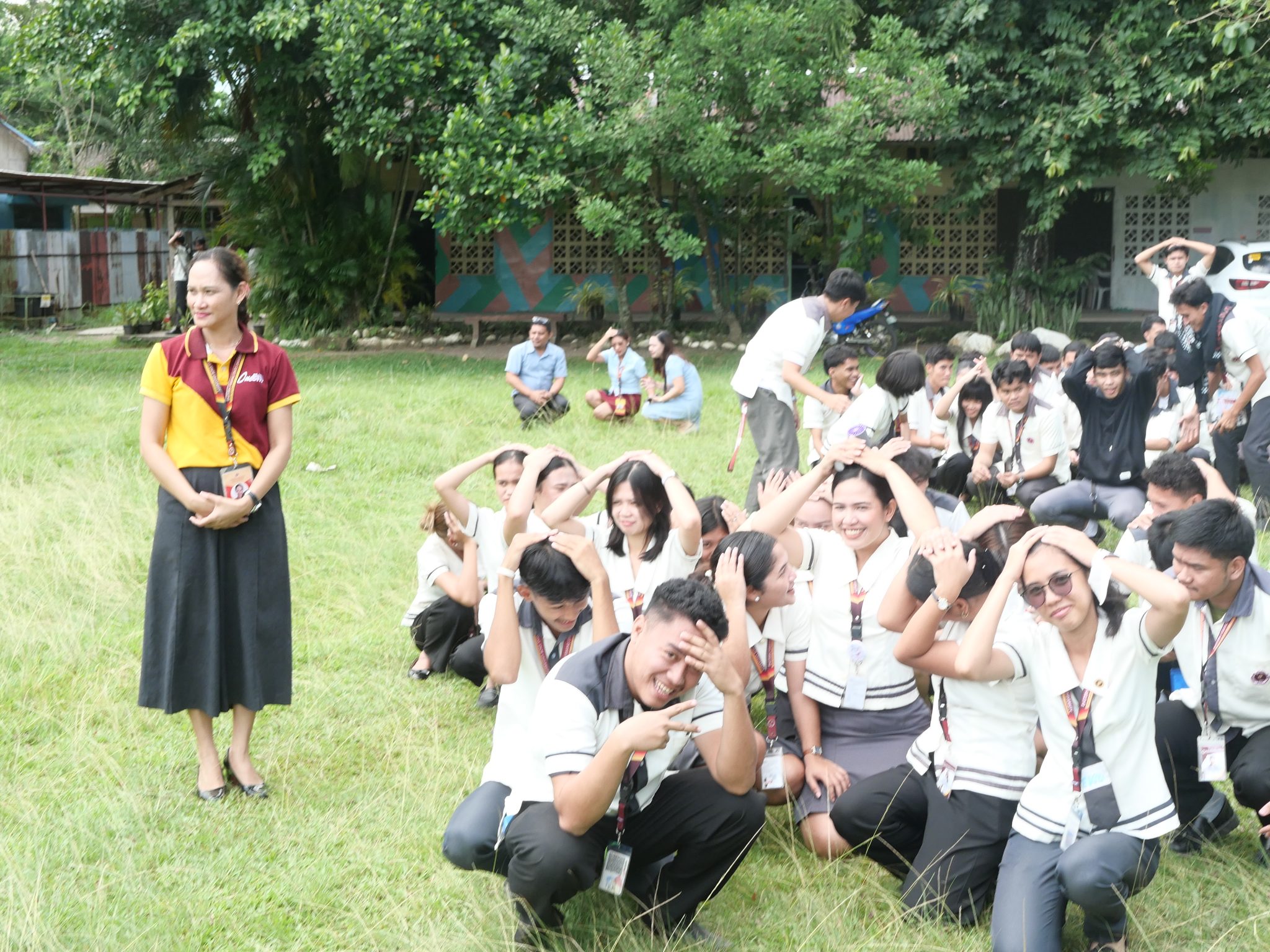
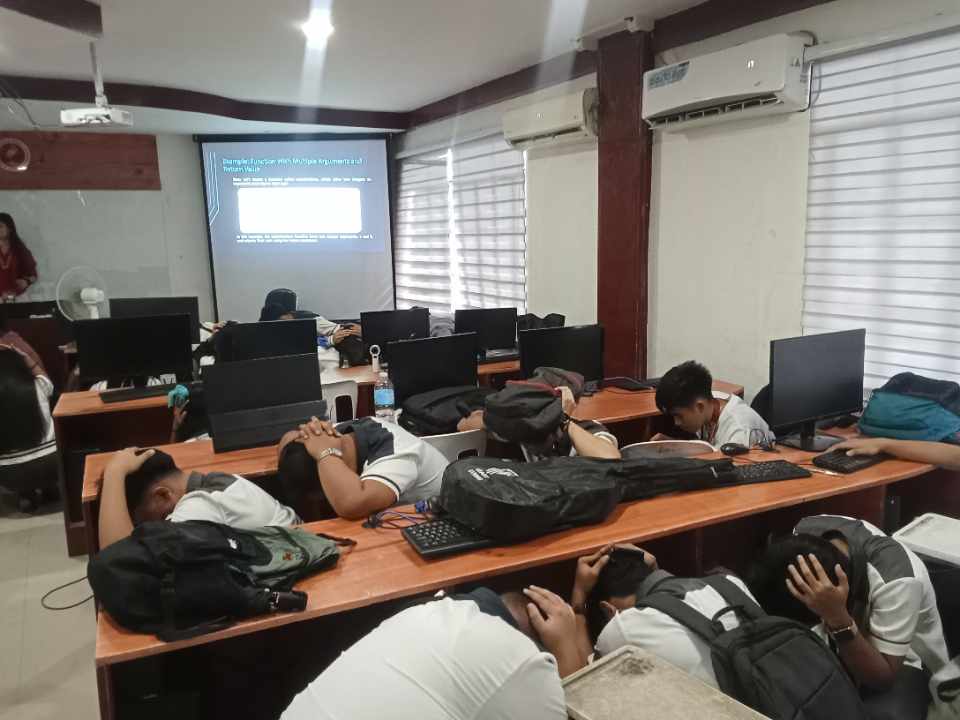
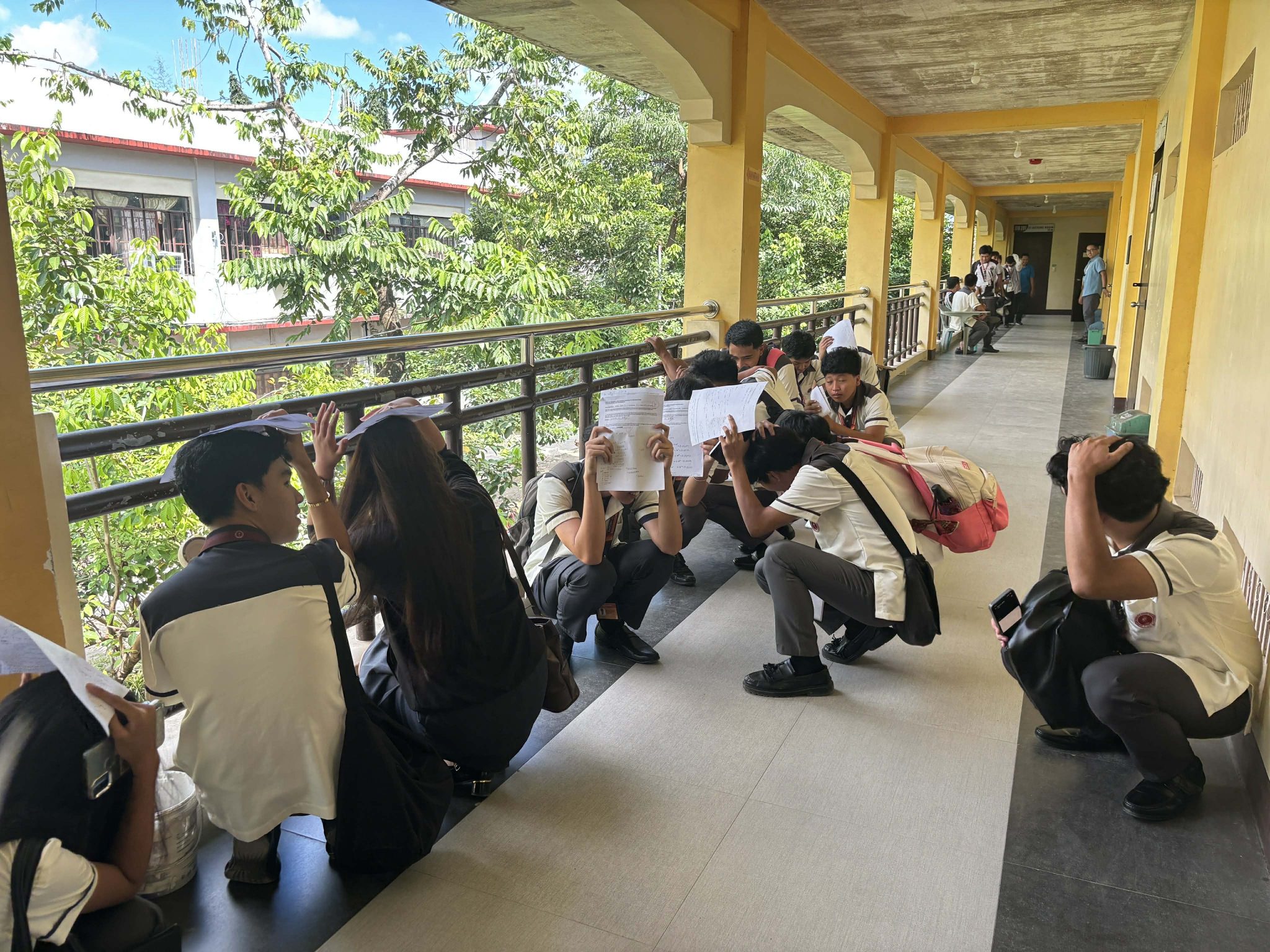
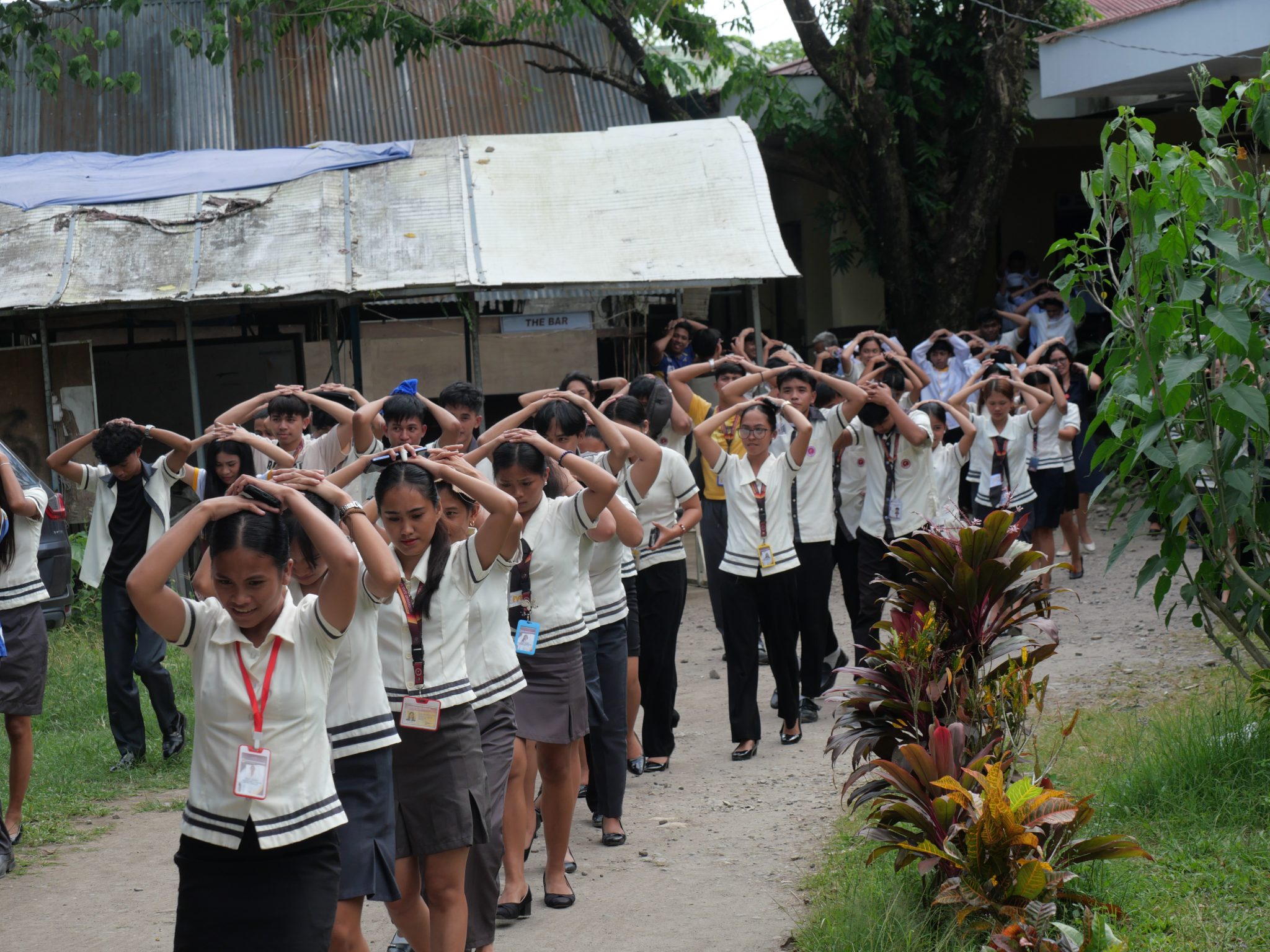
ORMOC CITY — In a proactive effort to bolster disaster preparedness and campus safety, Eastern Visayas State University – Ormoc Campus (EVSU-OC) successfully conducted a campus-wide Pre-Earthquake Drill on March 5, 2026.
The drill served as a localized preparatory exercise for the upcoming Nationwide Simultaneous Earthquake Drill (NSED), scheduled to take place on March 12, 2026.
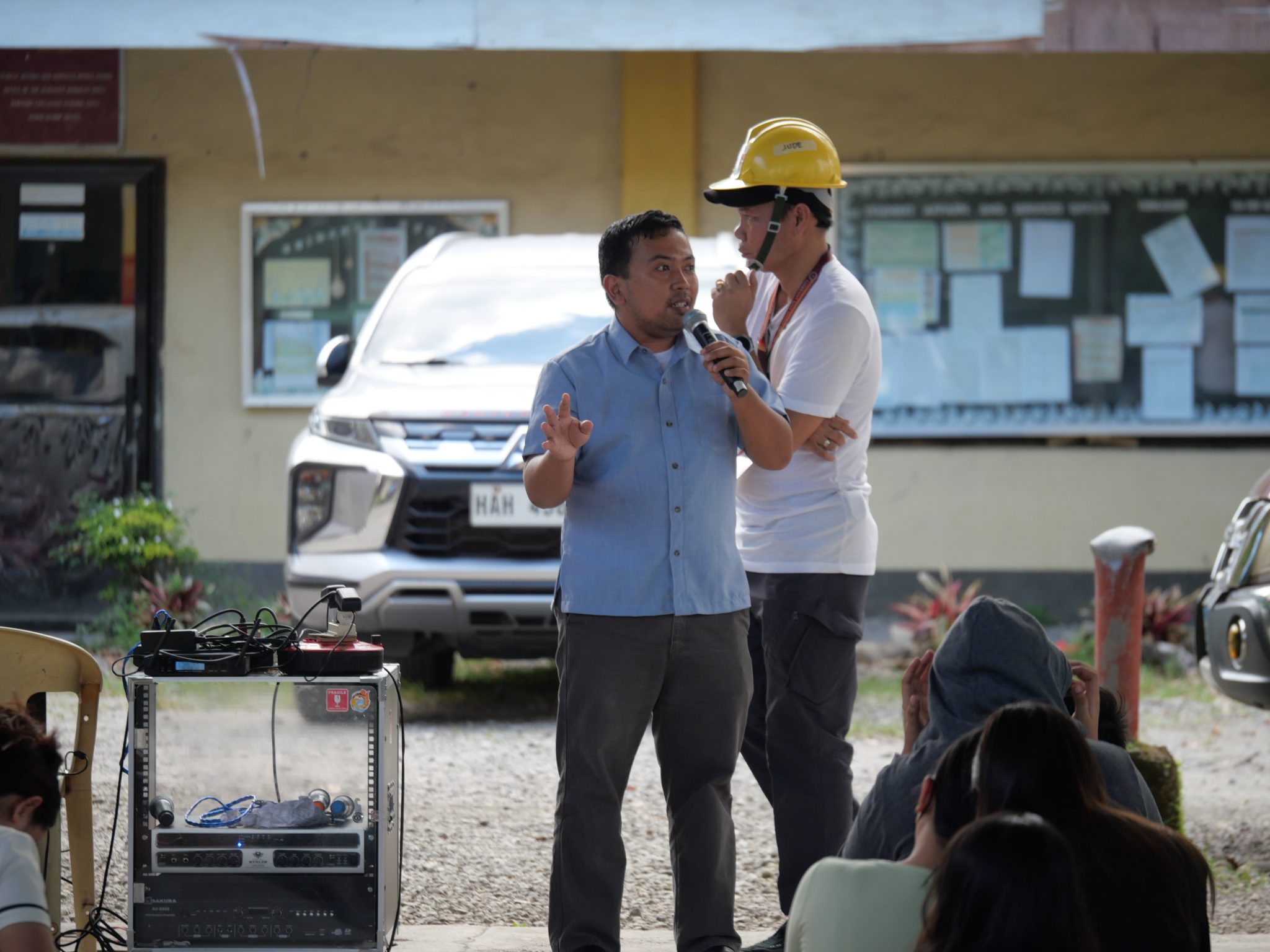
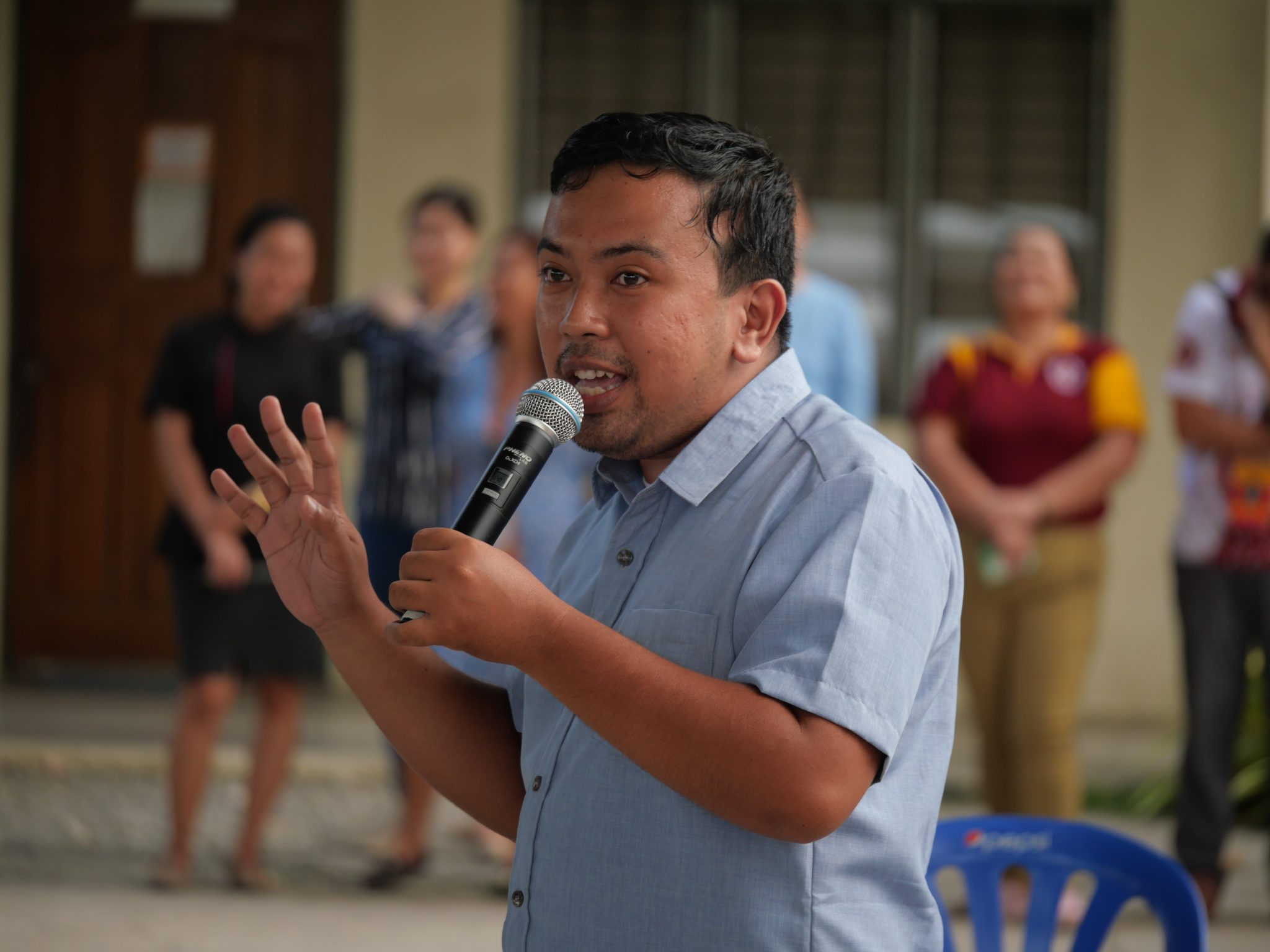
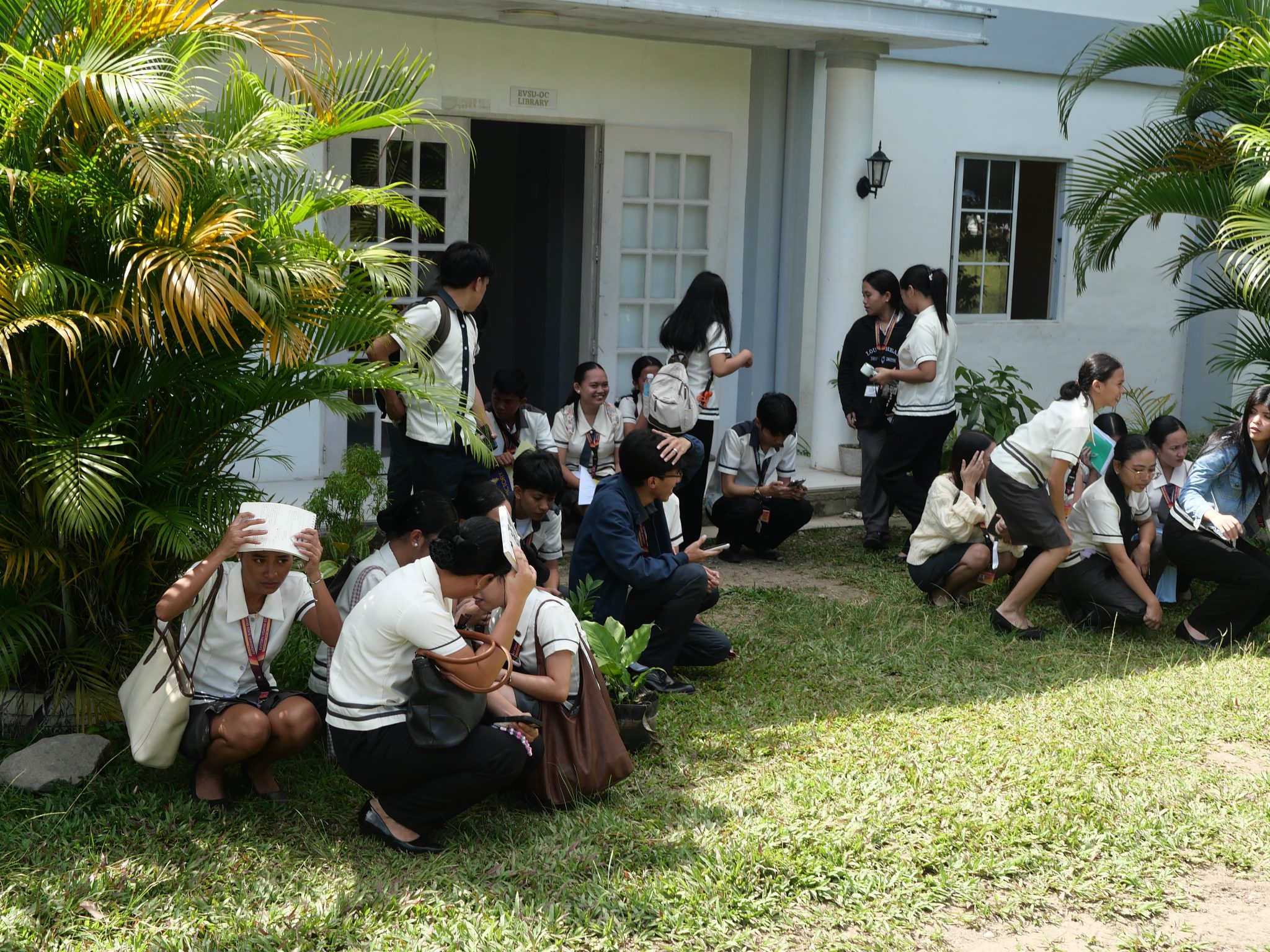
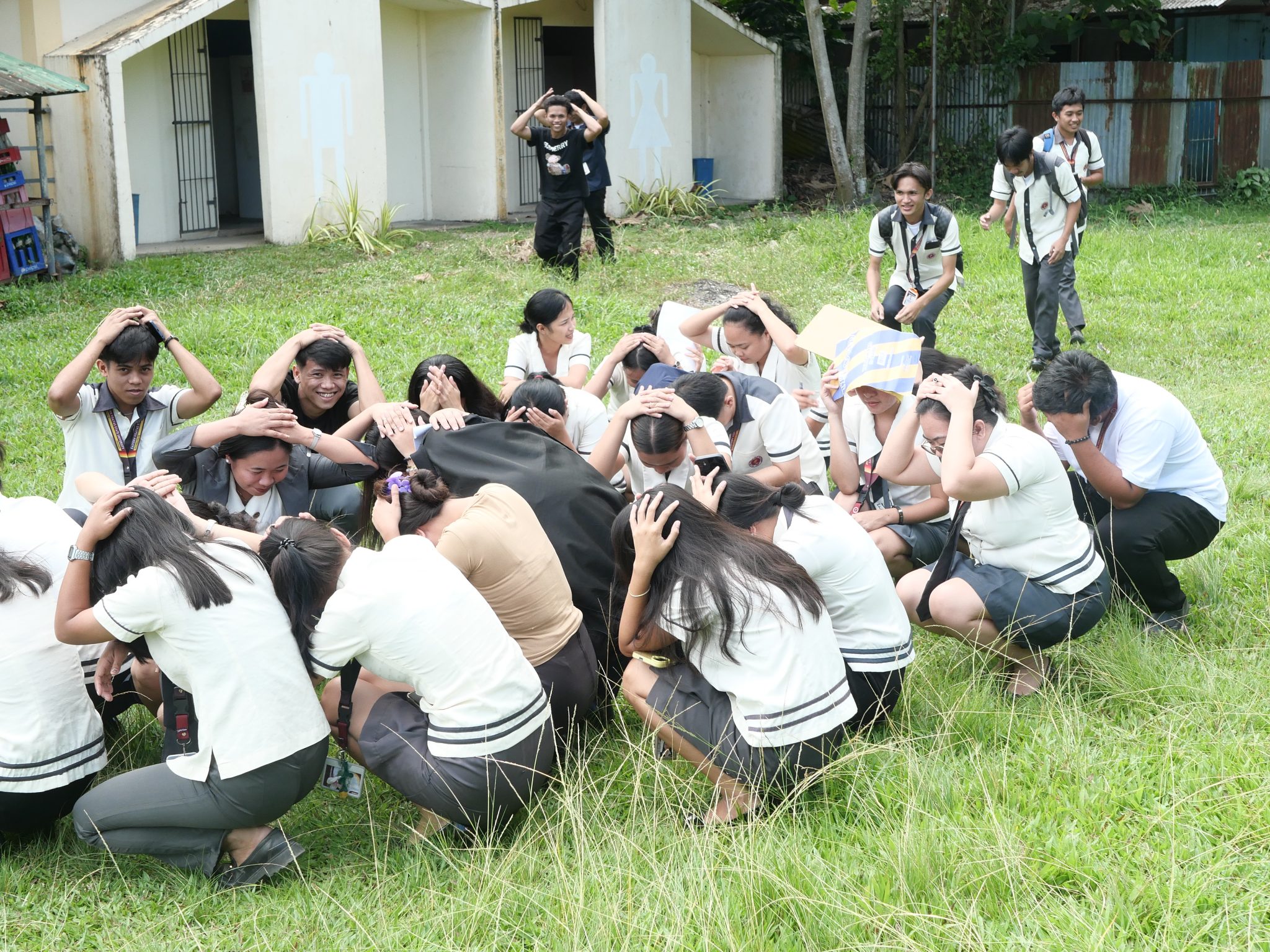
The activity was spearheaded by Sir Jude Alexes M. Ramas and Sir Bernie C. Palacio, who oversaw the execution of standard emergency protocols. The exercise aimed to internalize the “Drop, Cover, and Hold” technique and ensure that evacuation routes to designated safe zones were clear and understood by all members of the university.
Unified Participation
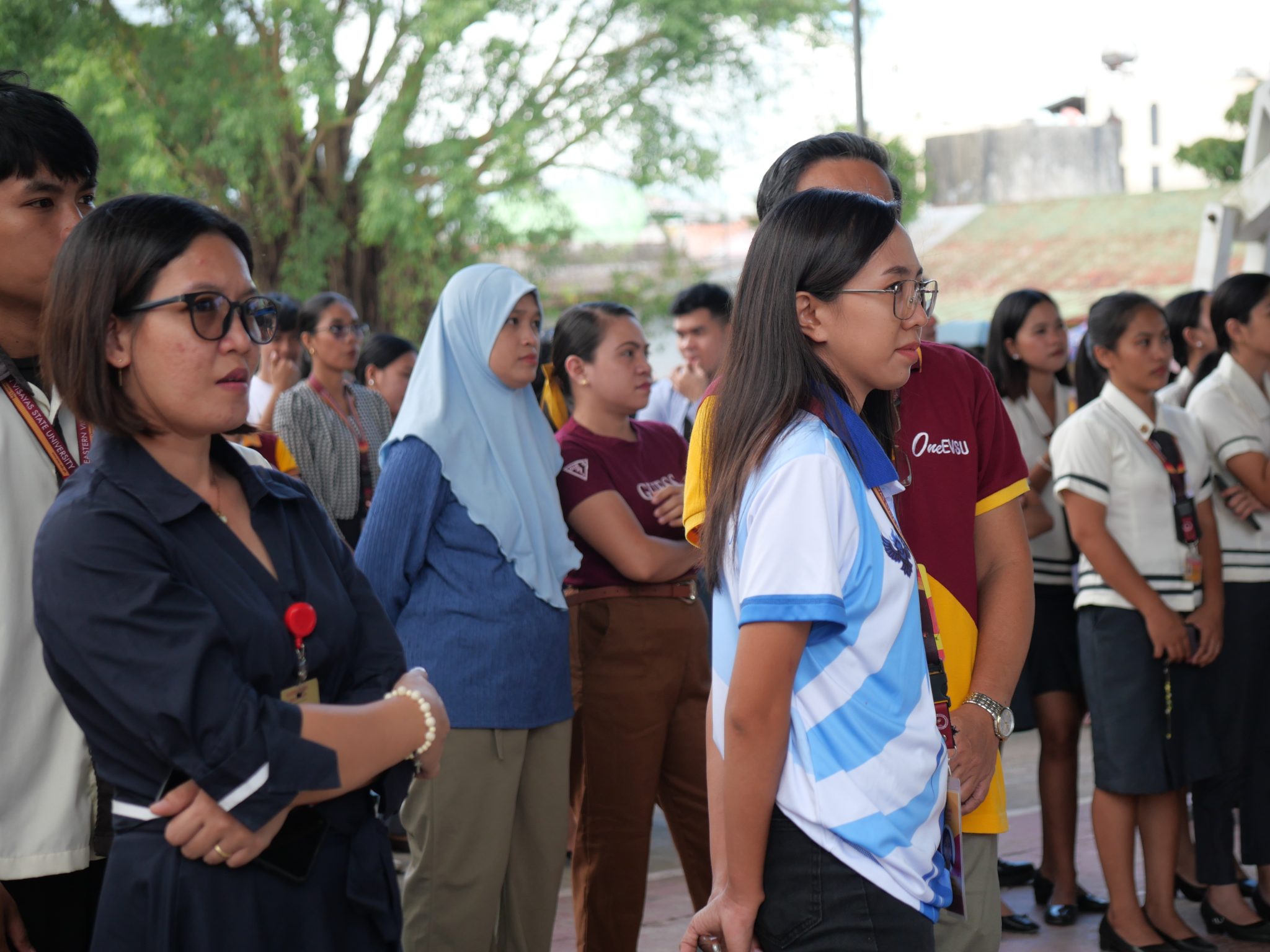
Demonstrating a shared commitment to safety, the drill saw the full participation of the EVSU-OC community. EVSUnistas from all departments, alongside the dedicated faculty and administrative staff, transitioned from their classrooms and offices to evacuation areas in an orderly and timely manner.
“Preparedness is not a one-time event but a continuous practice,” the organizers noted. “By conducting these preliminary drills, we identify potential bottlenecks in our evacuation plan and ensure that every EVSUnista knows exactly what to do when the ground shakes.”
Building a Resilient Campus
The university administration extended its appreciation to the student body and personnel for their cooperation. The success of the March 5 drill underscores EVSU-OC’s dedication to the National Disaster Risk Reduction and Management Council’s (NDRRMC) mission of building a disaster-resilient nation.
As the university moves toward the National Drill on March 12, the administration encourages everyone to remain vigilant and to continue prioritizing safety protocols in their daily campus life.
This initiative aligns with Sustainable Development Goal (SDG) 11: Sustainable Cities and Communities, specifically target 11.5, which aims to significantly reduce the number of people affected by disasters and strengthen the resilience of communities through robust disaster risk management.